+1 5618168645

Knitted Baby Clothing: Comfort, Flexibility, and Design Insights
When it comes to dressing infants and toddlers, comfort and practicality often top the list of priorities for parents. Among the wide variety of fabrics available, knitted fabrics have consistently stood out in the baby apparel market. But what exactly makes knitted baby clothing such a preferred choice, and how can brands and designers maximize its potential?
Why Knitted Fabrics Are Ideal for Babies
Knitted fabrics are created by interlooping yarns, which results in garments that are naturally stretchable and soft. This unique construction gives baby clothing several advantages:
Superior Comfort: The inherent elasticity allows clothes to move with a baby’s body, reducing restrictions and preventing irritation on delicate skin. Babies are constantly moving—rolling, crawling, and stretching—and soft, stretchy knits accommodate every motion.
Temperature Adaptability: Knitted materials often have a lightweight, breathable structure that promotes air circulation, keeping babies warm without overheating. Depending on the yarn choice, knits can be cozy enough for winter layers yet breathable for summer wear.
Durability: Knitted garments can endure frequent washing and wear, which is essential for baby clothes that require repeated laundering. Many modern knits maintain shape and softness even after multiple washes.
Design Flexibility in Knitted Baby Apparel
The stretchability of knitted fabrics opens a wide range of creative opportunities for designers:
Form-Fitting Yet Flexible: Knits can conform to a baby’s body, enabling a snug but comfortable fit. This allows for streamlined silhouettes in rompers, bodysuits, and leggings while ensuring mobility.
Textural Variety: Designers can experiment with different knit structures—such as ribbing, purling, or jacquard—to add subtle texture and visual interest. A ribbed neckline, for example, not only looks appealing but also enhances durability in high-stretch areas.
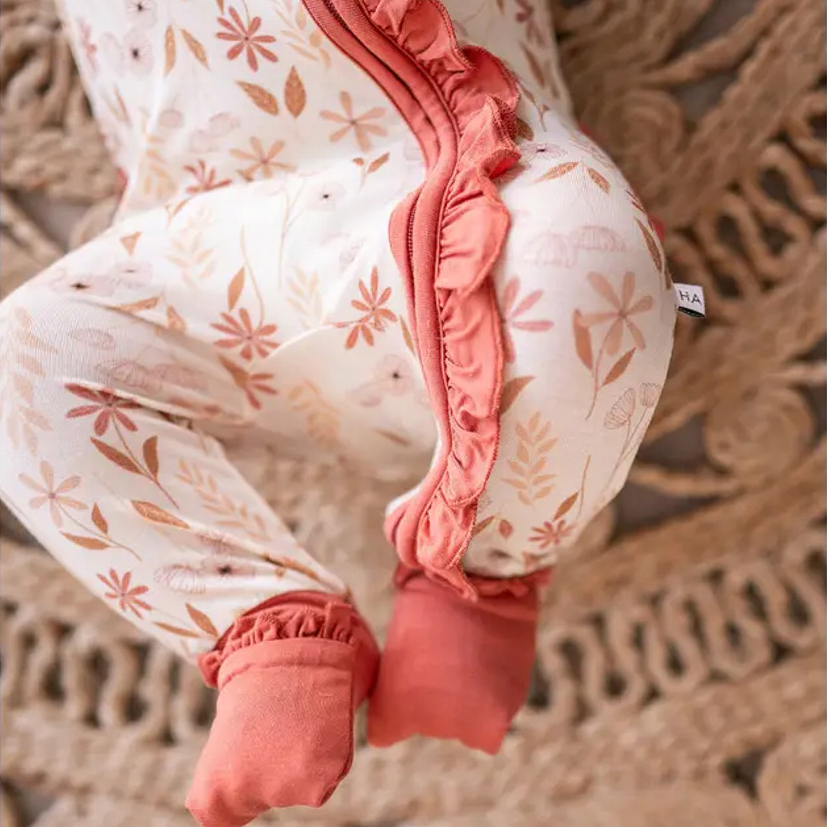
Seamless Integration of Features: Knit fabrics allow for innovative design features like integrated cuffs, snap closures, or fold-over mittens, which improve usability and comfort without compromising aesthetics.
Market Trends and Growth
Knitted baby apparel is seeing notable growth in the global infant clothing market. A few driving factors include:
Eco-Conscious Consumer Preferences: Many parents now prioritize organic and natural fibers in knits, such as cotton or bamboo blends, which combine softness with sustainability.
Rise of Minimalist and Functional Design: Clean lines, muted colors, and practical details resonate with modern parents. Knits perfectly support these design aesthetics while providing functional stretch and adaptability.
DTC and Small Brand Expansion: Independent baby apparel brands are increasingly leveraging knits for capsule collections and seasonal releases, capitalizing on their versatility and consumer appeal.
Tips for Choosing the Right Knits
For designers and brands considering knitted baby clothing, here are some practical considerations:
Gauge and Weight: Fine-gauge knits are soft and delicate, ideal for newborns, while medium-weight knits offer durability for toddlers.
Fiber Content: Cotton knits are breathable and gentle, bamboo knits provide moisture-wicking and antibacterial properties, and blends with spandex offer additional stretch.
Testing for Wearability: Stretch recovery, colorfastness, and shrinkage testing ensure garments retain their fit and appearance after repeated use and washing.
Final Thoughts
Knitted fabrics combine comfort, flexibility, and aesthetic potential, making them a cornerstone of high-quality baby apparel. For brands, understanding the technical and design aspects of knits is essential not just for creating visually appealing garments but also for delivering a practical, long-lasting product that meets the expectations of modern parents.