+1 5618168645
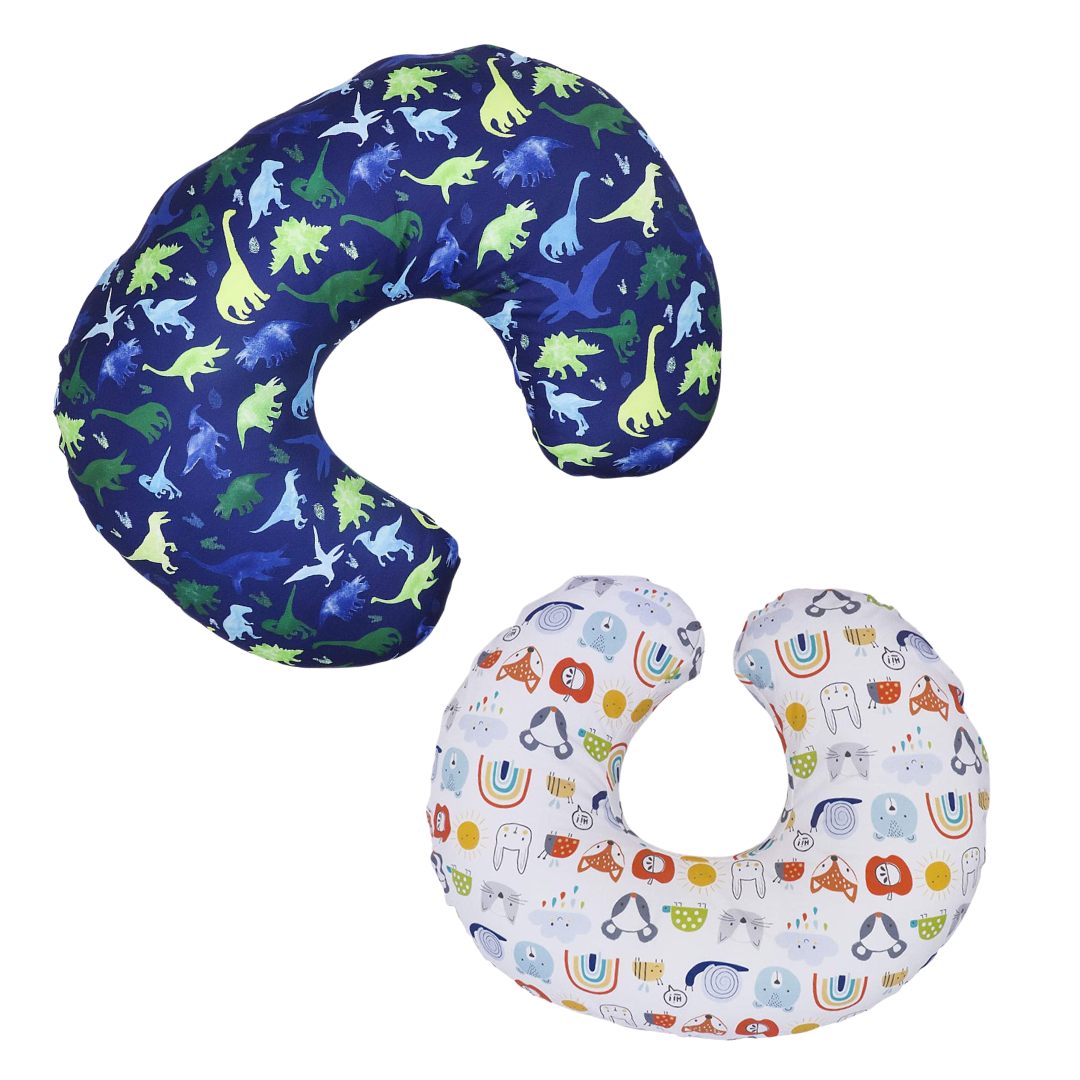

The Details You Didn’t Know: Why C-Shaped Nursing Pillows Are Favored by Lactation Experts
At first glance, a nursing pillow looks like a simple crescent of cushioning—soft, sturdy, familiar. Yet if you ask midwives, lactation consultants, or postpartum nurses which shape consistently supports the widest range of parents, they will nearly always point to one: the C-shaped nursing pillow.
It’s not a coincidence. This design quietly addresses several ergonomic problems that new parents encounter, even when they don’t have the vocabulary to explain them. What appears to be an intuitive shape is actually the outcome of years of observing posture, infant positioning, and the physical strain of feeding.
Ergonomics First: How the C-Shape Supports the Parent
Feeding a newborn—breastfeeding or bottle-feeding—places stress on the same areas again and again: the shoulders, the lower back, and the inner forearms. A C-shaped pillow fits around the waist and redistributes the baby’s weight onto the pillow rather than the parent’s body.
Unlike straight or rigid shapes, the curve of the C naturally encourages a close, inward holding position, which prevents leaning forward. Lactation specialists often mention that even a slight forward hunch, repeated ten or more times a day, can lead to persistent back pain. The C-shape subtly prevents this by keeping the baby elevated without requiring the parent to lift or sustain tension.
The curved structure also adapts to different body types—postpartum bodies, petite frames, larger waists—because the open end can shift wider or narrower without compromising support.
Why Babies Benefit From the Curve
While parents often focus on their own comfort (understandably), infant positioning matters just as much. Proper alignment helps with effective latching, smoother bottle-feeding, and reduced gas.
The C-shape creates a gentle “nest” that helps keep the baby in a stable, slightly elevated position across feeding styles: cradle, cross-cradle, and football hold. This elevation also supports better digestion after feeding.
Lactation consultants frequently emphasize that feeding is not just about nutrition—it is about maintaining a calm, secure environment. Babies feel more stable when the support under them doesn’t shift. A well-constructed C-shaped pillow minimizes wobble and distributes pressure evenly under the torso.
A Shape that Encourages Flexibility
One reason midwives appreciate the C-shaped pillow is its versatility. Rather than locking the parent into a single feeding method, it encourages experimentation. New parents are often surprised that they naturally discover what works only after trying several positions.
The curve allows smooth transitions: turn the pillow slightly to the right for a football hold, center it for cradle feeding, slide it closer to the body for bottle-feeding. In postpartum recovery—especially after C-sections—being able to reposition the pillow without strain is a small but meaningful advantage.
This adaptability also helps caregivers share feeding responsibilities. What fits one parent’s frame might not fit another’s, but a C-shaped pillow tends to accommodate different builds without adjustment straps or rigid panels.
Construction Matters: Why Some Pillows Perform Better Than Others
Lactation experts often comment that the shape alone is not enough—the materials and build determine whether the pillow remains supportive over time.
Common fabrics like cotton, brushed polyester, and velvet each shape the experience differently. Cotton is breathable and classic; brushed poly offers stretch and softness; velvet brings warmth and a plush feel.
Inside, the pillow’s density and stitching make the difference between consistent firmness and sagging. Overlock or bordered seams prevent deformation, and high-quality filling maintains height after repeated use. In clinical settings, consistent elevation is crucial because even small changes can alter feeding posture.
Professional caregivers pay close attention to these details because they observe daily how small ergonomic shifts affect both parent and baby.
Why This Design Keeps Earning Professional Approval
The C-shaped nursing pillow continues to be recommended not because it is trendy, but because it reduces tension, encourages healthier posture, and provides intuitive support that adapts to real life. For new parents, these subtle advantages often mean fewer aches, smoother feeding sessions, and more comfortable bonding time.
Its success lies in the quiet logic of its curve—engineered not for appearance, but for the physical realities of early parenthood.