+1 5618168645
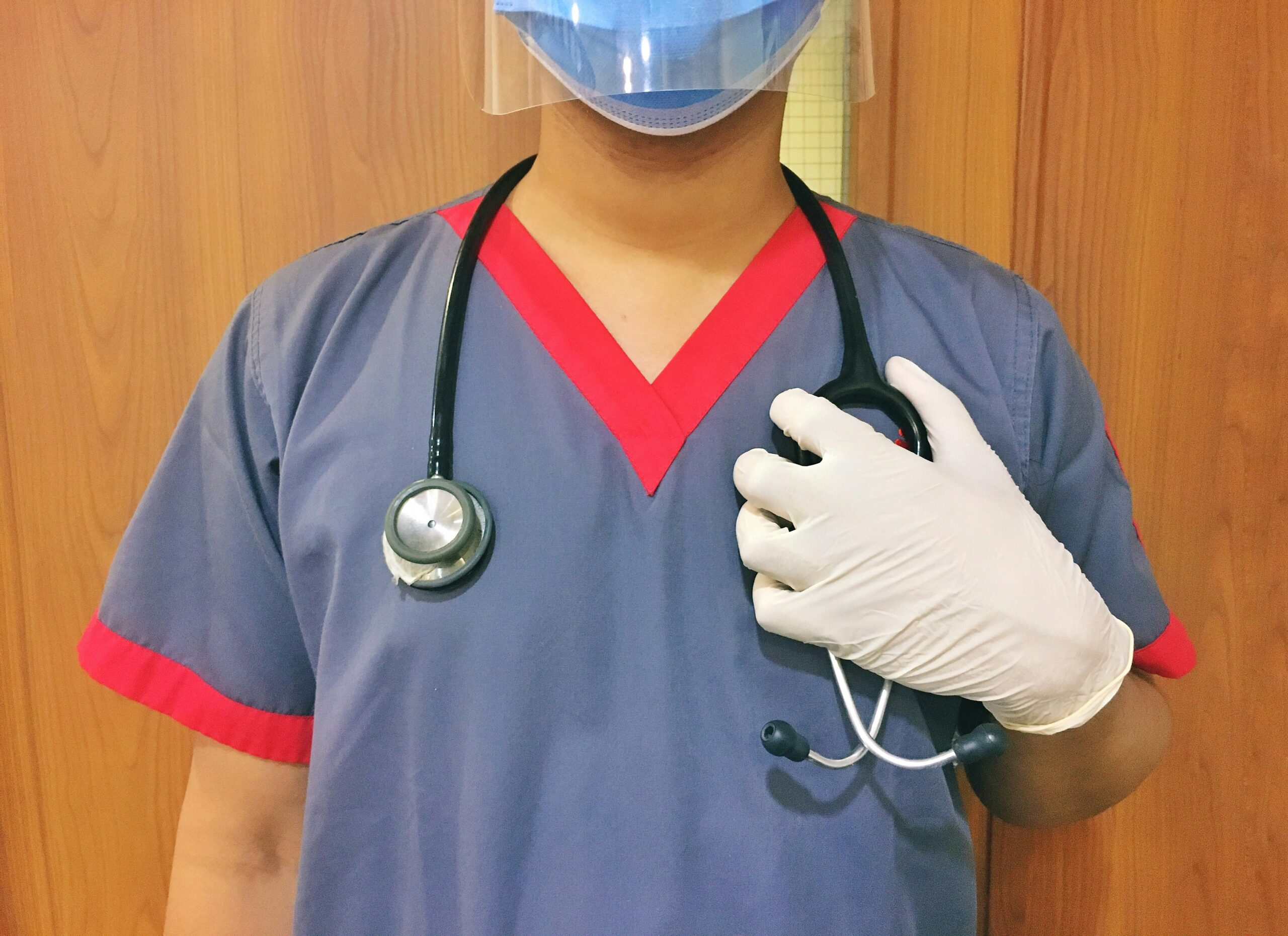

When Nurse Scrubs Are No Longer Just a Uniform: How Comfort and Professionalism Finally Coexist
For decades, nurse scrubs were defined by one primary function: uniformity. They identified medical staff quickly, met hygiene standards, and were easy to replace. Comfort was often secondary, and aesthetics were rarely discussed. Yet in recent years, scrubs have quietly undergone a transformation. They are no longer just a dress code imposed by hospitals—they are becoming a considered part of how healthcare professionals work, move, and even feel about their roles.
This shift is not driven by fashion trends alone. It reflects deeper changes in healthcare environments, workforce expectations, and material technology.
From Symbol to System: Rethinking the Role of Scrubs
Traditionally, scrubs symbolized authority and cleanliness. Their loose silhouettes and simple colors served efficiency, not expression. But modern healthcare is far more complex than it once was. Nurses work longer shifts, perform a wider range of tasks, and interact more closely with patients than ever before.
As a result, scrubs are no longer passive garments. They are part of a working system—supporting mobility, regulating temperature, and reducing physical strain. When scrubs fail in these areas, discomfort accumulates, fatigue increases, and performance can be subtly affected over time.
This realization has pushed both manufacturers and institutions to ask a new question: what should professional clothing actually do for the wearer?
Comfort as a Functional Requirement, Not a Luxury
Comfort in medical apparel is often misunderstood as softness alone. In reality, it is multi-dimensional. Fabric breathability, moisture management, stretch recovery, and weight all contribute to how a garment performs over a 10–12 hour shift.
For example, fabrics that trap heat may look fine at the start of the day but become unbearable under stress and movement. Poor stretch can restrict bending and lifting, while overly rigid seams may cause irritation with repeated motion. None of these issues are dramatic on their own—but together, they shape the daily experience of medical staff.
Modern scrubs increasingly rely on blended fabrics and performance weaves to solve these problems. Comfort, in this context, is not about indulgence. It is about reducing friction between the body and the work it must perform.
Professionalism Beyond Appearance
Professionalism in healthcare clothing has traditionally been judged visually: clean lines, appropriate colors, a tidy fit. While these elements still matter, professionalism today also includes how well a uniform supports safe and efficient care.
A scrub top that stays in place when reaching, or pants that allow quick movement without adjustment, contribute to a composed and confident presence. When nurses are not constantly distracted by their clothing, their attention stays where it belongs—on patients.
Interestingly, patients also perceive professionalism through subtle cues. Well-fitted, thoughtfully designed scrubs can signal competence and care without being overtly stylish. The goal is not fashion-forward design, but quiet reliability.
Design Details That Actually Matter
Many of the most impactful changes in modern scrubs are nearly invisible at first glance. Ergonomic patterning, reinforced stress points, and strategically placed pockets all reflect a deeper understanding of how garments are used in real clinical settings.
For instance, pocket placement affects posture and balance when carrying tools. Seam positioning can reduce pressure during long periods of standing or walking. Even neckline construction influences comfort when leaning forward repeatedly.
These details are rarely noticed by patients, but they are immediately felt by the wearer. Over time, they define whether a uniform feels supportive or burdensome.
The Cultural Shift in Healthcare Apparel
The evolution of nurse scrubs also mirrors a broader cultural change in healthcare. There is growing recognition that the well-being of medical staff directly impacts quality of care. Uniforms are now part of that conversation.
Hospitals and clinics are beginning to view scrubs not just as supplies, but as equipment. This mindset encourages better material choices, more inclusive sizing, and designs that respect diverse body types and working styles.
Importantly, this shift does not diminish professionalism. On the contrary, it reframes it—placing human experience alongside institutional standards.
Where Comfort and Professionalism Meet
The future of nurse scrubs lies in balance. Over-designed garments risk becoming distracting, while purely utilitarian ones ignore the realities of modern healthcare work. Achieving this balance increasingly depends on collaboration with a scrubs manufacturer in China that understands comfort, durability, and real clinical workflows. The most effective scrubs sit quietly in between: comfortable enough to disappear during a shift, professional enough to uphold trust and clarity.
When scrubs achieve this balance, they stop being “just uniforms.” They become tools that support resilience, dignity, and focus—qualities that healthcare professionals rely on every day.
In that sense, the evolution of nurse scrubs is less about clothing, and more about how we value the people who wear them.