+1 5618168645
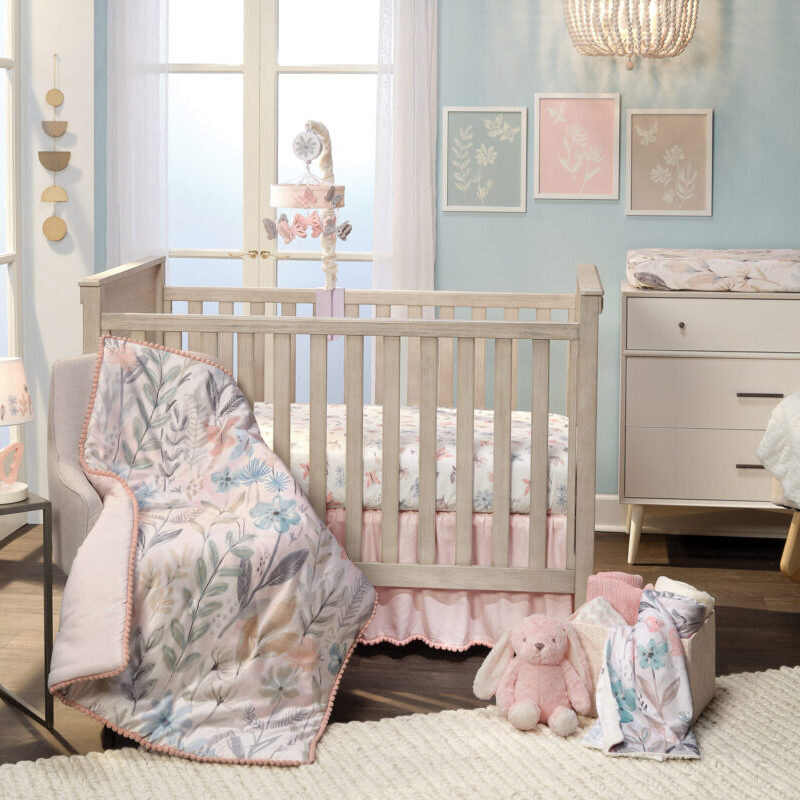

Entering the Niche Baby Market: Why Bedding Could Be Your Gateway
In the ever-evolving infant products market, small brands often struggle to stand out against giants like Pampers or Johnson’s. But what if carving out a space doesn’t require competing head-on in diapers or bottles, but instead starts with something far more fundamental—and often overlooked—like bedding?
For emerging niche brands in the mother-infant space, bedding is more than a tactical entry point. It’s a strategic pivot that speaks directly to parents’ core instincts around comfort, safety, and aesthetics. By starting here, brands can build trust gradually, using a single category as a launchpad for wider expansion. Drawing on years of observing market shifts and brand trajectories, let’s explore why bedding can redefine success for under-the-radar players.
The Overlooked Power of Bedding in Infant Care
At first glance, bedding may seem mundane. Yet it’s where much of early parenthood actually unfolds. New parents spend countless hours researching crib sheets, blankets, and sleep accessories, driven by both necessity and emotion. Unlike trendy toys or seasonal clothing, bedding addresses foundational needs: sleep quality, allergy prevention, and temperature regulation.
Industry reports project the baby bedding segment to grow at roughly 5–7% annually over the next decade, and its appeal lies in relatively low entry barriers paired with strong repeat-purchase potential. This makes bedding a rare combination of accessibility and longevity.
Equally compelling is how bedding intersects with broader consumer trends such as sustainability and personalization. Parents today aren’t just buying fabric—they’re buying stories: organic cotton from ethical farms, designs inspired by cultural heritage, or materials chosen with environmental impact in mind. For niche brands, bedding becomes a canvas for identity. By focusing on specialized offerings, brands can avoid saturated mass-market segments and cultivate deeper loyalty.
Identifying Your Niche Within the Niche
True success comes from narrowing the focus even further. One growing sub-segment is infant “sleep wellness,” where bedding goes beyond aesthetics to incorporate science-backed features such as moisture-wicking layers or antimicrobial finishes.
The key question successful brands ask early is simple: What problem am I solving that others overlook? This could mean addressing urban parents’ concerns about air quality through innovative fabrics, or serving multicultural families with globally inspired patterns and narratives.
This approach isn’t about reinventing the wheel—it’s about refining it. Partnering early with a reliable baby bedding manufacturer allows brands to prototype ideas without excessive upfront investment, while maintaining quality control and design flexibility. Limited-edition releases or customizable sets can further transform bedding from a commodity into a statement.
Crafting a Product Line with Depth and Purpose
With a clear angle defined, product development must be intentional. Material innovation is a natural starting point: moving beyond standard cotton to blends with bamboo or Tencel can dramatically improve breathability and softness. Safety certifications such as Oeko-Tex are essential, as parents scrutinize labels closely.
Depth, however, comes from functionality. Modular bedding sets that evolve with a child—from swaddles to toddler duvets—add long-term value. An emerging opportunity lies in sensory design. Research suggests that texture plays a role in early development; thoughtfully varied fabrics can stimulate touch without overwhelming infants. Subtle visual patterns that support early visual tracking can further elevate bedding from a basic necessity to an experiential product.
Navigating Marketing in a Crowded Digital Landscape
Bedding marketing rewards subtlety over spectacle. Rather than broad advertising campaigns, many successful niche brands rely on micro-influencers—real parents sharing authentic experiences on platforms like Instagram or TikTok. Educational content performs especially well: short videos explaining how bedding affects sleep routines or guides to creating safer sleep environments help establish credibility without aggressive selling.
On the distribution side, starting online allows for rapid testing. Marketplaces such as Etsy can validate demand before brands scale to their own websites. Offline touchpoints, including pop-ups or collaborations with boutique baby stores, add a tactile dimension that reinforces perceived quality. Data-driven iteration—tracking which designs convert and refining through A/B testing—keeps growth disciplined.
Lessons from Emerging Success Stories
Patterns emerge when observing young brands that scale successfully. One company began with organic crib liners designed for allergy-prone infants and expanded into full nursery collections within two years. Their differentiator wasn’t just product quality, but community engagement: virtual workshops on infant sleep hygiene doubled as trust-building touchpoints and soft product introductions.