+1 5618168645

Why Some Clothing Orders Fail (Even with Good Factories)
Many buyers assume that once they find a “good” clothing factory, everything else will run smoothly. In reality, even experienced manufacturers can be involved in failed orders.
The truth is, most production issues are not caused by the factory alone. They often result from unclear communication, incomplete preparation, or unrealistic expectations on the buyer’s side.
Understanding why clothing orders fail is the first step toward avoiding costly mistakes and building a more reliable supply chain.
Unclear Product Specifications
One of the most common reasons orders fail is unclear or incomplete product specifications.
Factories rely heavily on the information you provide. If your tech pack is vague or missing details, the final product may not match your expectations.
Common issues include:
- Missing measurements or size charts
- Unclear fabric requirements
- Lack of detail in stitching or finishing
- No reference samples or visuals
Even small ambiguities can lead to big differences in the final product. For example, a slight misunderstanding in fabric weight or fit can completely change how a garment feels and performs.
Clear documentation is not optional—it is essential.
Problems in the Sampling Stage
Many buyers underestimate the importance of the sampling stage.
A sample is not just a preview—it is the standard for production. If the sample is not carefully reviewed and approved, mistakes will carry into bulk production.
Typical sampling issues include:
- Approving samples too quickly
- Not documenting revisions
- Ignoring small defects
- Assuming improvements will be made automatically
In manufacturing, what gets approved is what gets produced. If you overlook problems during sampling, they will likely appear again at scale.
Miscommunication Between Buyer and Factory
Communication gaps are another major cause of failed orders, especially when working with overseas manufacturers.
Even when both sides are experienced, differences in language, terminology, and expectations can create misunderstandings.
Common communication mistakes include:
- Giving vague instructions
- Relying on verbal agreements instead of written confirmation
- Not confirming key details like fabric, color, or packaging
- Assuming the factory “understands your intention”
To reduce risk, all important details should be clearly written and confirmed. Visual references, annotated images, and structured documents can significantly improve accuracy.
Unrealistic Expectations
Many production issues come from expectations that are simply not realistic.
In clothing manufacturing, there is always a balance between cost, quality, and lead time. Trying to maximize all three at the same time often leads to disappointment.
Examples of unrealistic expectations:
- Expecting premium quality at very low prices
- Requesting extremely fast production timelines
- Placing small orders but expecting priority treatment
Understanding the limitations of production helps create more achievable goals and smoother collaboration.
Poor Production Planning
A lack of proper planning can disrupt even the most capable factory.
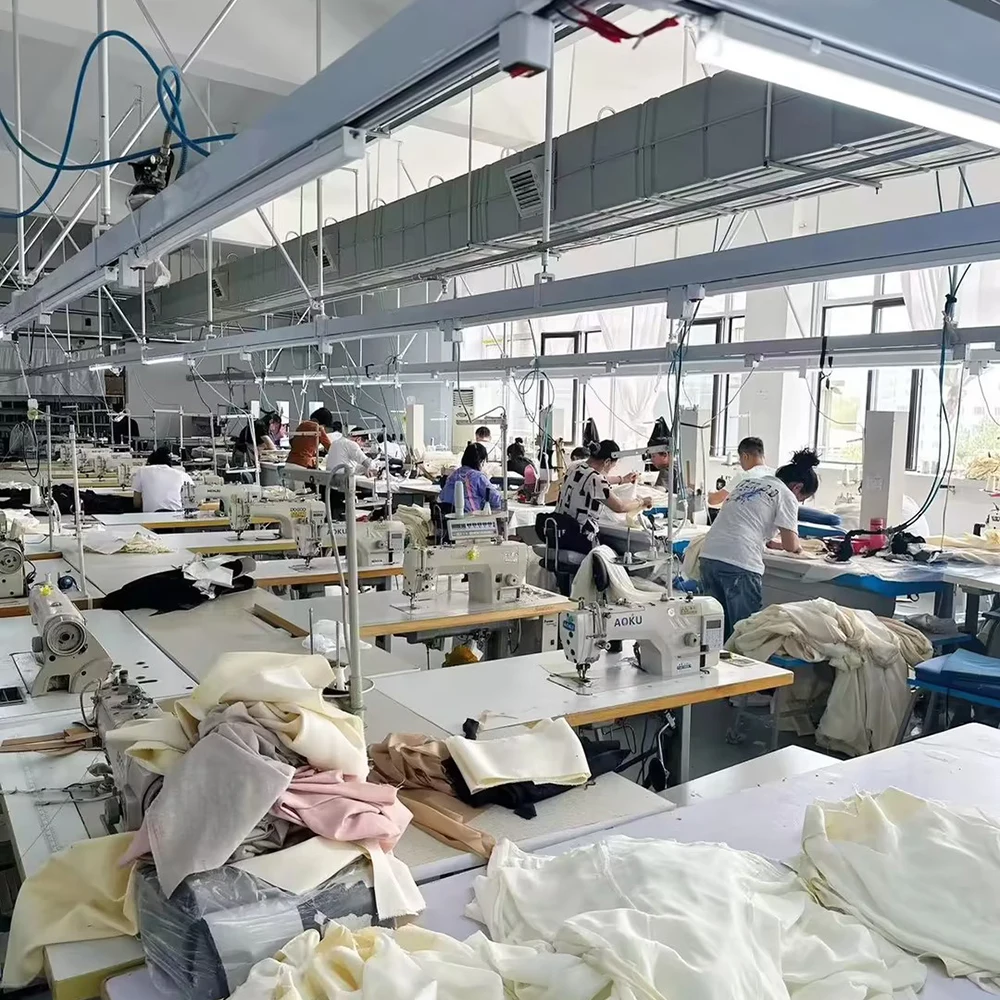
Production is a coordinated process involving materials, labor, scheduling, and logistics. If any part is delayed, the entire timeline can shift.
Planning issues often include:
- Not booking production slots in advance
- Ignoring peak seasons or holidays
- Delays in fabric sourcing
- Last-minute design changes
Good planning requires anticipating potential delays and building buffer time into your schedule.
Lack of Quality Control
Another key reason clothing orders fail is insufficient quality control.
Some buyers rely entirely on the factory to manage quality, but without independent checks, problems can go unnoticed until it is too late.
A strong quality control process typically includes:
- Pre-production checks
- In-line inspections during production
- Final inspection before shipment
Without these checkpoints, defects such as stitching errors, incorrect sizing, or color inconsistencies may only be discovered after delivery.
Inconsistent Bulk Production
It is common for a sample to look perfect, but the bulk production to vary.
This happens because large-scale production involves multiple variables, such as:
- Different fabric batches
- Multiple workers or production lines
- Machine calibration differences
Even small variations can affect the consistency of the final product.
To minimize this risk, manufacturers need standardized processes and strict quality monitoring throughout production.
How to Avoid These Problems
While production challenges are common, most of them can be prevented with the right approach.
Here are a few practical steps:
- Prepare a detailed and clear tech pack
- Treat the sample as the final production standard
- Confirm all communication in writing
- Set realistic expectations for cost, quality, and timeline
- Implement a structured quality control process
- Work with experienced and transparent suppliers
By focusing on these areas, you can significantly reduce the risk of failed orders.
Final Thoughts
Clothing orders rarely fail because of a single issue. More often, problems arise from a combination of unclear requirements, weak communication, and lack of process control.
Working with a good factory is important—but it is only one part of a successful production strategy.
If you’re looking for a manufacturing partner that understands these challenges and helps you avoid common production mistakes, consider working with MK Kids, a reliable OEM and ODM baby clothing manufacturer experienced in supporting growing brands.