+1 5618168645

5 Common Bulk Production Mistakes Baby Brands Make (And How to Avoid Them)
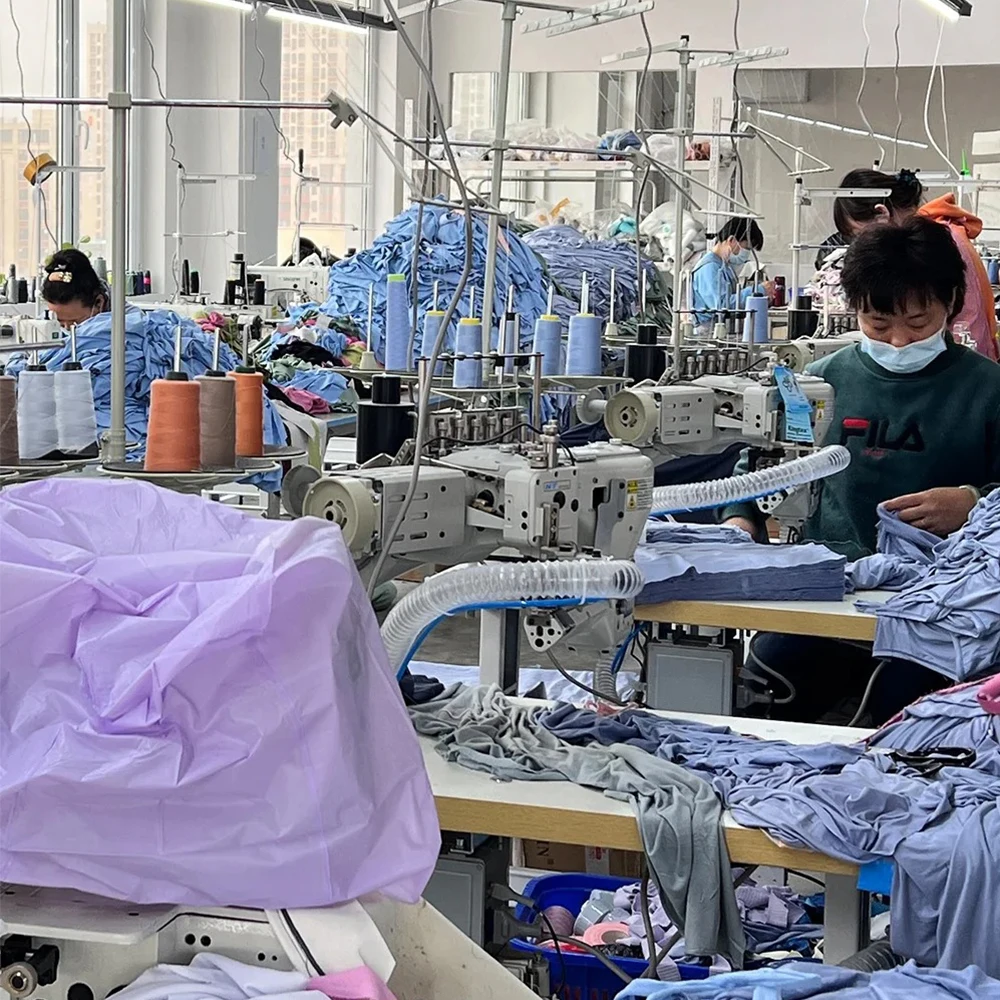
For many baby brands, moving from sample development to bulk production is an exciting milestone. It is also the stage where small manufacturing issues can quickly become expensive problems.
A sample approved during development does not always reflect what happens during large-scale production. Fabric shrinkage, sewing consistency, trim durability, color variation, and packaging conditions can all change once production volumes increase.
In infant textiles, these risks are especially important to manage. Problems such as loose threads, sizing inconsistencies, broken snaps, or failed wash performance can lead to customer complaints, shipment delays, failed inspections, or costly product recalls.
Based on our experience supporting brands in baby bedding and nursery textile production, here are five common mistakes companies make when scaling from sampling to bulk manufacturing. — and how to avoid them before bulk manufacturing begins.
1. Ignoring Fabric Shrinkage Before Production
Fabric shrinkage is one of the most common causes of sizing problems in baby textiles.
Soft materials frequently used in nursery products — including cotton muslin, organic cotton jersey, and bamboo-based fabrics — can behave very differently in bulk production compared to small sample swatches.
Shrinkage performance may vary depending on:
- Fabric construction
- Dyeing methods
- Washing treatment
- Drying conditions
If shrinkage testing is skipped before production, finished crib sheets, fitted bedding, or sleep sacks may no longer meet expected sizing standards after consumer washing.
How to Avoid It
Before bulk cutting begins:
- Perform wash tests on production fabric lots
- Add reasonable shrinkage allowance during pattern development
- Confirm post-wash measurements before production approval
- Use controlled pre-washing processes for products marketed as “pre-washed” or “ultra-soft”
For baby products sold in premium retail markets, dimensional stability should always be reviewed before mass production starts.
2. Treating Baby Bedding Like Standard Apparel Production
Many nursery products appear simple in construction, but infant textiles often require tighter sewing control than standard apparel.
Products such as:
- Fitted crib sheets
- Baby sleep sacks
- Quilted play mats
- Nursing pillows
must maintain seam durability and shape through repeated washing and daily use.
Factories without experience in infant textile production may struggle with:
- Sewing consistency
- Seam reinforcement
- Elastic performance
- Long-term wash durability
Over time, these issues can lead to seam failure, loose threads, or reduced product lifespan.
How to Avoid It
Work with production teams familiar with both sewn textile construction and infant product requirements.
Before production approval, review:
- Sewing consistency
- Seam durability expectations
- Elastic recovery performance
- Reinforcement methods for high-stress areas
- Wash performance standards
Consistent construction quality is especially important for brands supplying boutique retailers and premium online stores.
3. Overlooking Hardware and Trim Safety Testing
A zipper or snap button that works well on a prototype may not perform consistently across thousands of production units.
In infant products, trim failures are not simply quality issues — they can become safety risks.
Products entering the US and EU markets may undergo:
- Pull-strength testing
- Small-parts inspection
- Physical safety evaluation
- Compliance-related testing procedures
Detached snaps, broken zipper components, or loose decorative accessories can create choking hazards for young children.
How to Avoid It
Avoid using unverified low-cost trims during bulk production.
Instead, ensure suppliers can provide:
- Consistent trim quality
- Infant-appropriate materials
- Wash durability performance
- Stable batch consistency
- Reliable long-term sourcing
Factories should also maintain final inspection procedures for trim attachment consistency before packing.
4. Assuming Colors Will Match Across Different Fabrics
Many nursery collections combine several fabric types within the same product line, such as:
- Cotton muslin
- Bamboo-based fabrics
- Cotton jersey
- Minky fleece
Even when using the same Pantone reference, different materials absorb dye differently.
Without coordinated dye management, products within the same collection may appear mismatched under retail lighting or in ecommerce photography.
How to Avoid It
Request separate lab dips for every fabric base before approving bulk dyeing.
A professional dyeing process should include:
- Fabric-specific dye adjustments
- Batch consistency controls
- Lighting condition evaluations
- Cross-material color review before production approval
This becomes especially important for coordinated nursery collections designed around soft neutral color palettes.
5. Neglecting Packaging and Shipping Conditions
Packaging directly affects product quality during international transportation, especially for textile products shipped by sea freight.
If products are packed before moisture levels are fully stabilized, condensation can develop inside packaging during transit. This may lead to:
- Musty odors
- Mold growth
- Fabric discoloration
- Customer complaints upon arrival
Packaging quality also affects customer perception. Many parents increasingly expect minimal and environmentally responsible packaging solutions.
How to Avoid It
Before shipment:
- Confirm products are fully cooled and dried after finishing
- Conduct moisture checks before packing
- Use appropriate breathable or protective packaging materials
- Review packaging durability for long-distance transit
Many baby brands are also moving toward:
- Recycled paper packaging
- Fabric storage bags
- Reduced plastic usage
- Retail-ready presentation packaging
Good packaging protects both the product and the overall customer experience.
Final Thoughts
Scaling from sample development to bulk production requires more than approving a successful prototype. Long-term product consistency depends on manufacturing systems, material control, testing procedures, and production experience.
By addressing these issues early, baby brands can reduce costly production problems and build stronger product reliability as they grow.
For brands selling in the US and EU markets, it is also important to work with manufacturing partners familiar with infant textile compliance requirements and responsible material sourcing practices.
At MK Kids, we support growing baby brands with flexible production solutions for baby bedding, nursery textiles, and infant essentials, including projects using GOTS-certified organic fabrics and responsibly sourced materials.
If you are planning your next nursery collection and would like to discuss sampling, materials, or production planning, our team is always happy to help.