+1 5618168645
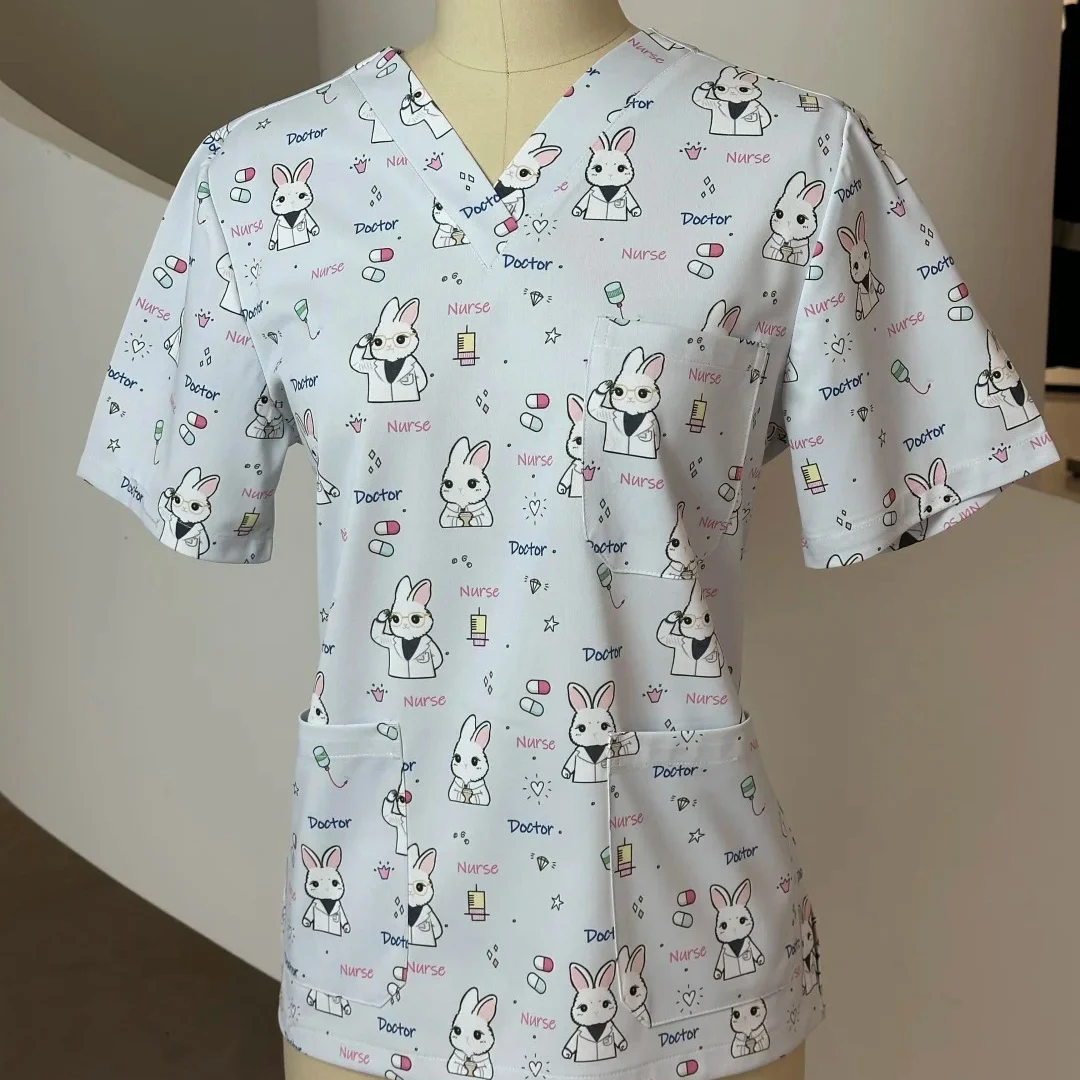

What Do Hospitals Look for When Buying Medical Scrubs?
When hospitals and healthcare institutions make purchasing decisions for medical scrubs, the process goes far beyond simply choosing colors or sizes. Scrubs are essential workwear that directly impacts staff comfort, performance, infection control, and even brand identity.
Understanding what hospitals prioritize can help suppliers, brands, and buyers make smarter, more strategic decisions. Below is a structured breakdown of the key factors influencing procurement.
1. Comfort: Supporting Long Shifts and High Performance
Healthcare professionals often work 10–12 hour shifts, frequently under high-pressure conditions. Comfort is not a luxury—it’s a necessity.
Hospitals typically evaluate:
- Fabric softness to reduce skin irritation
- Breathability for temperature regulation
- Stretch and flexibility for ease of movement
- Lightweight feel to prevent fatigue
Modern hospitals increasingly prefer performance fabrics that combine cotton-like softness with moisture-wicking and stretch properties.
👉 Why it matters: Comfortable staff are more focused, efficient, and less prone to fatigue-related errors.
2. Durability: Withstanding Industrial Laundering
Medical scrubs go through frequent, high-temperature washing cycles to meet hygiene standards. This makes durability a top priority.
Key considerations include:
- Color retention after repeated washes
- Resistance to shrinking and fading
- Strong stitching and seam integrity
- Fabric resilience under harsh detergents
Hospitals often conduct wear-and-wash testing before committing to large-scale orders.
👉 Why it matters: Durable scrubs reduce replacement frequency, lowering long-term costs.
3. Cost Efficiency: Balancing Price and Value
While cost is always a factor, hospitals focus on total cost of ownership, not just upfront price.
Procurement teams assess:
- Unit price vs. lifespan
- Bulk purchasing discounts
- Maintenance and replacement costs
- Supplier reliability and logistics
A slightly higher-priced scrub with better durability can be more economical over time.
👉 Why it matters: Smart cost management ensures budget efficiency without compromising quality.
4. Uniformity: Reinforcing Professional Identity
Consistency in appearance plays a critical role in hospital environments. Scrubs contribute to both organizational branding and functional identification.
Hospitals often require:
- Standardized colors by department
- Consistent design across staff roles
- Logo embroidery or customization options
- Clear differentiation (e.g., nurses vs. surgeons)
Uniform scrubs also enhance patient trust by making staff easily identifiable.
👉 Why it matters: A cohesive look strengthens professionalism and improves patient experience.
5. Compliance and Hygiene Standards
Healthcare apparel must meet strict safety and hygiene regulations.
Hospitals look for:
- Antimicrobial or fluid-resistant fabrics
- Compliance with healthcare textile standards
- Easy sanitization without fabric degradation
In some cases, scrubs must align with infection control protocols, especially in surgical or high-risk environments.
👉 Why it matters: Proper scrubs help reduce contamination risks and support infection control.
6. Fit and Size Inclusivity
A diverse workforce requires inclusive sizing and ergonomic design.
Important factors include:
- Wide size ranges (including plus sizes)
- Gender-specific and unisex options
- Modern vs. traditional fit preferences
Well-fitting scrubs improve both comfort and appearance.
👉 Why it matters: Better fit leads to higher staff satisfaction and fewer returns or exchanges.
7. Supplier Reliability and Scalability
Beyond the product itself, hospitals evaluate the supplier’s ability to deliver consistently.
They consider:
- Production capacity for large orders
- Lead times and inventory management
- Customization capabilities
- After-sales support
👉 Why it matters: Reliable suppliers ensure uninterrupted operations and smooth procurement cycles.
Conclusion: A Strategic Purchasing Decision
Hospital scrub procurement is a multi-dimensional decision involving comfort, durability, cost, and uniformity—along with compliance and supplier reliability.
For brands and suppliers, aligning with these priorities is key to building long-term partnerships with healthcare institutions.
How This Connects to Your Scrubs Selection
If you’re exploring high-quality options that meet hospital-level standards, your choice should reflect the same criteria outlined above—balancing performance, durability, and value.
👉 Looking for a reliable medical scrubs manufacturer? Partner with a factory-direct supplier offering low MOQ, full customization, and consistent production quality.